
Soma Siri
Human resource is the greatest and the real wealth, which earns all other riches and conveniences. The success of any financial or social engineering achievement is gained by earning support and effort of human resources. Soma is the enormous integration of such human resource. Due to the compounding effect created by gaining such Soma, greater impact and outcomes are produced for individuals and societies. Soma is the lifeline for institutions, it is the primary entity for prosperity, authority, popularity etc. Soma for institutions is like Prana for individual living beings. Without Soma multiplicity cannot be created. Soma may sometimes come and go like an impulse due to unexpected, unforeseen events or situations, but for sustained existence of Soma, skillful cultivation of it is required. Just like farming needs continuous care and skilled effort in a supporting conditional environment for generating an outcome called Harvest (Siri), which is a cumulative reaction to the process that was followed with the available resources and conditions, thus resulting in an outcome in the form of Harvest. Similarly, Soma needs to be cultivated by organizing and sustaining natural forces. After sustaining such efforts, Soma gives a better life to people by harnessing support from the multitude and creating organizations. It is the Organized institution which creates and sustains Soma.
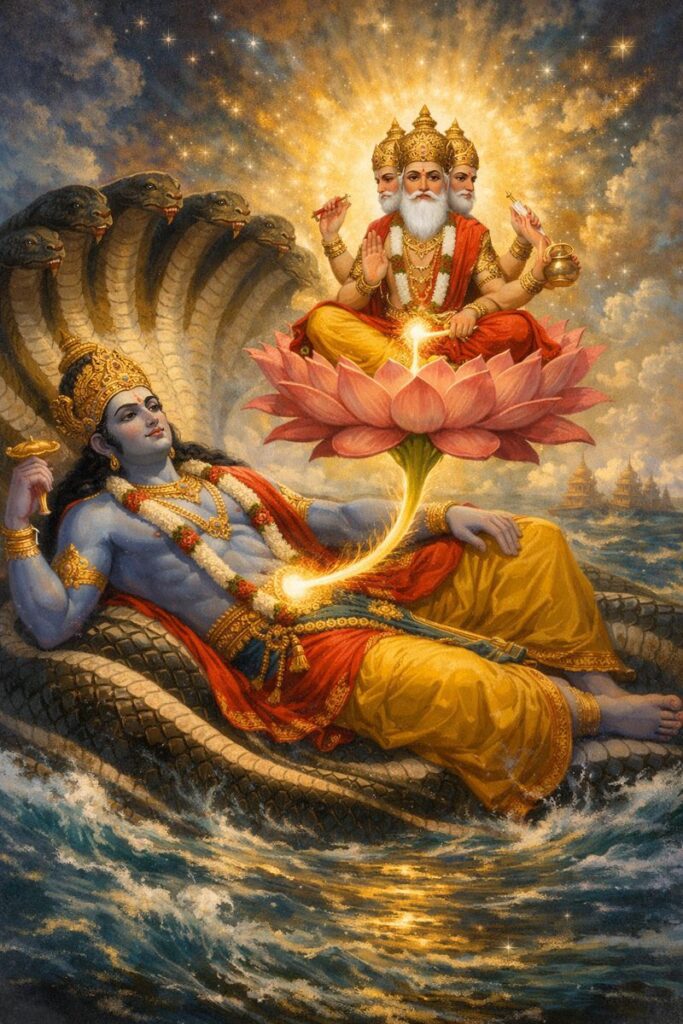
There are 2 kinds of social institutions called Daanava and Deva Vyavastha. The word Daanava means progeny of Danu (also called Vritti) which also means progeny of the vicious circles. These vicious circles are popularly called Ari Shat Varga, the six enemies called Kama (Desire), Krodha (Anger), Lobha (Greed), Moha (Delusion), Madha (Pride), Maatsarya (Jealousy). Soma generated through these vicious circles will create Institutions which is called Daanava Vyavastha. You can see such institutions created and sustained in the name of Ideology, Revolution, Politics etc in the social landscape of the world where some or all these 6 enemies are invoked in masses, gaining their support for creating or taking over existing institutions. Outcome of such institutions will create Asura Vyavastha which will result in a non-harmonious society (Asura), and it becomes the cause of misery for the masses. These Daanavas desperately need Soma for sustaining the institutions which they created/captured, because of which they must fall into the vicious circle and continuously invoke the six enemies which keeps the society in troubling situations, and it repeats in regular duration. The other institution of this duality is called Deva Vyavastha which is established/governed by people with 6 virtues called Shat Sampathi. They are Shama (Austerity), Dhama (Control), Uparati (Limited interest), Titiksha (Endurance/Observance), Shraddha (Devotion), Samadhana (Balanced/Equally). Deva Vyavastha is driven by Dharma as the guiding principle where individuals are irrelevant. Individual impulses are not given priority, and they are ignored following Shama (Austerity), Dhama (Control), Uparati (Limited interest). By practicing Titiksha (Endurance/Observance), Shraddha (Devotion), Samadhana (Balanced/Equally) and using Dharma as the pillar support for all decisions, activities of the institutions are governed. In Deva Vyavastha Soma is sustained after the Dharma is established. But due to natural forces driven by Ari Shat Varga, it cannot protect itself for ever. That is the reason in Puranas, Devas regularly lose their position to Daanavas after they gain boon from Shiva (masses). In such situation Devas have to always approach Vishnu for restoring their position back because Vishnu is Soma Garbha. Such Soma Garbha Vishnu with widespread multitude of sources at his disposal has the capability to defeat any Daanava who is born out of boundaries (circles) and then restore Devas back to their position. From Soma Garbha Vishnu, Brahma is born. The widespread existence called Vishnu is also the source of knowledge called Brahma because knowledge is born out of widespread multitudes of sources and their support. This explains why in puranas Brahma is born out of Vishnu and why Brahma is the creator of the existence including Devas and Daanavas.
Soma is identified as Moon in Puranas, the symbolism of Moon in the puranic stories inherently represents Mind and its cognition. Like the story of Moon getting placed on forehead of Shiva who is called Somanatha and the story of Moon giving birth to Budha to explain that Moon is the karaka of mind. These stories explain the importance of having healthy mind and who can help for acquiring such Soma. Even in Vedas, Soma is the second most repeating word after Indra (Capabilities), it explains that Soma is the important entity to acquire after gaining relevant capabilities. Vedas teaches to earn Soma and nurture it. Soma leads to Amrutha by continuously nurturing and sustaining it. By acquiring such Amrutha the Devatas are formed. There is a Mantra in Veda “Devata(institutions) Soma Pitaye” which mean Devata Drink Soma. This is also reflected in the stories of Purana. The continuous supply of Soma creates the Position for devatas, they must continuously drink soma but not intoxicated with it. When Deva Raja Indra gets intoxicated with Soma, he does wrong things, and he has to lose his position after he gets cursed, and then Indra has to go to Brahma or Vishnu and please them to get released from the curse.
History of Human migration happened in different phases from the start of Time. Rudimentary humans migrated for their need, if they were not able to get what they wanted, they waged wars for Food, for water rich fertile lands where they can cultivate food. Later stage of Humans migrated for trade and then war happened for the riches of others like for the harvest produce or gold and then later migrations and wars happened for pride or enforcing their will. All these phases represent the state of Daanava Vyavastha. But in reality, these migrations in any age of the history have happened for the sustenance, stability, and contentment of the Human resources. People migrate when their Soma (their peace, prosperity, or life-force) is taken away or it is not fulfilling at the place they are living. They expand themselves by migration either in peace or in war. They are pushed out by a lack of sustenance or fulfillment. People migrate toward conveniences and stability which is available through Soma cultivated in Deva Vyavastha. They are pulled toward places where they believe they can regain that sense of bliss or ease. Humans invented complex institutions to organize their needs, so that their sustenance and contentment is taken care and to let it last longer. All these are the basis for organizing Human resources and sustaining them, it is the basis on which all institutions are created. By organizing and extracting value out of human resources a harmonious society can be created which gives riches and conveniences.
There are 2 kinds of social institutions called Daanava and Deva Vyavastha. The word Daanava means progeny of Danu (also called Vritti) which also means progeny of the vicious circles. These vicious circles are popularly called Ari Shat Varga, the six enemies called Kama (Desire), Krodha (Anger), Lobha (Greed), Moha (Delusion), Madha (Pride), Maatsarya (Jealousy). Soma generated through these vicious circles will create Institutions which is called Daanava Vyavastha. You can see such institutions created and sustained in the name of Ideology, Revolution, Politics etc in the social landscape of the world where some or all these 6 enemies are invoked in masses, gaining their support for creating or taking over existing institutions. Outcome of such institutions will create Asura Vyavastha which will result in a non-harmonious society (Asura), and it becomes the cause of misery for the masses. These Daanavas desperately need Soma for sustaining the institutions which they created/captured, because of which they must fall into the vicious circle and continuously invoke the six enemies which keeps the society in troubling situations, and it repeats in regular duration. The other institution of this duality is called Deva Vyavastha which is established/governed by people with 6 virtues called Shat Sampathi. They are Shama (Austerity), Dhama (Control), Uparati (Limited interest), Titiksha (Endurance/Observance), Shraddha (Devotion), Samadhana (Balanced/Equally). Deva Vyavastha is driven by Dharma as the guiding principle where individuals are irrelevant. Individual impulses are not given priority, and they are ignored following Shama (Austerity), Dhama (Control), Uparati (Limited interest). By practicing Titiksha (Endurance/Observance), Shraddha (Devotion), Samadhana (Balanced/Equally) and using Dharma as the pillar support for all decisions, activities of the institutions are governed. In Deva Vyavastha Soma is sustained after the Dharma is established. But due to natural forces driven by Ari Shat Varga, it cannot protect itself for ever. That is the reason in Puranas, Devas regularly lose their position to Daanavas after they gain boon from Shiva (masses). In such situation Devas have to always approach Vishnu for restoring their position back because Vishnu is Soma Garbha. Such Soma Garbha Vishnu with widespread multitude of sources at his disposal has the capability to defeat any Daanava who is born out of boundaries (circles) and then restore Devas back to their position. From Soma Garbha Vishnu, Brahma is born. The widespread existence called Vishnu is also the source of knowledge called Brahma because knowledge is born out of widespread multitudes of sources and their support. This explains why in puranas Brahma is born out of Vishnu and why Brahma is the creator of the existence including Devas and Daanavas.
Soma is identified as Moon in Puranas, the symbolism of Moon in the puranic stories inherently represents Mind and its cognition. Like the story of Moon getting placed on forehead of Shiva who is called Somanatha and the story of Moon giving birth to Budha to explain that Moon is the karaka of mind. These stories explain the importance of having healthy mind and who can help for acquiring such Soma. Even in Vedas, Soma is the second most repeating word after Indra (Capabilities), it explains that Soma is the important entity to acquire after gaining relevant capabilities. Vedas teaches to earn Soma and nurture it. Soma leads to Amrutha by continuously nurturing and sustaining it. By acquiring such Amrutha the Devatas are formed. There is a Mantra in Veda “Devata(institutions) Soma Pitaye” which mean Devata Drink Soma. This is also reflected in the stories of Purana. The continuous supply of Soma creates the Position for devatas, they must continuously drink soma but not intoxicated with it. When Deva Raja Indra gets intoxicated with Soma, he does wrong things, and he has to lose his position after he gets cursed, and then Indra has to go to Brahma or Vishnu and please them to get released from the curse.
History of Human migration happened in different phases from the start of Time. Rudimentary humans migrated for their need, if they were not able to get what they wanted, they waged wars for Food, for water rich fertile lands where they can cultivate food. Later stage of Humans migrated for trade and then war happened for the riches of others like for the harvest produce or gold and then later migrations and wars happened for pride or enforcing their will. All these phases represent the state of Daanava Vyavastha. But in reality, these migrations in any age of the history have happened for the sustenance, stability, and contentment of the Human resources. People migrate when their Soma (their peace, prosperity, or life-force) is taken away or it is not fulfilling at the place they are living. They expand themselves by migration either in peace or in war. They are pushed out by a lack of sustenance or fulfillment. People migrate toward conveniences and stability which is available through Soma cultivated in Deva Vyavastha. They are pulled toward places where they believe they can regain that sense of bliss or ease. Humans invented complex institutions to organize their needs, so that their sustenance and contentment is taken care and to let it last longer. All these are the basis for organizing Human resources and sustaining them, it is the basis on which all institutions are created. By organizing and extracting value out of human resources a harmonious society can be created which gives riches and conveniences.

Leave your comment